


Save 11%

Sale price$139.99
Regular price$158.00
Carhartt Men's 4" Lightweight Soft Toe Wedge Work Boot Brown - CMX4023

Sale price$179.99
Regular price$183.00
Carhartt Men's 6" Soft Toe Waterproof Wedge Work Boot - Tan - CMW6175
Sale price$259.99
Regular price$270.00
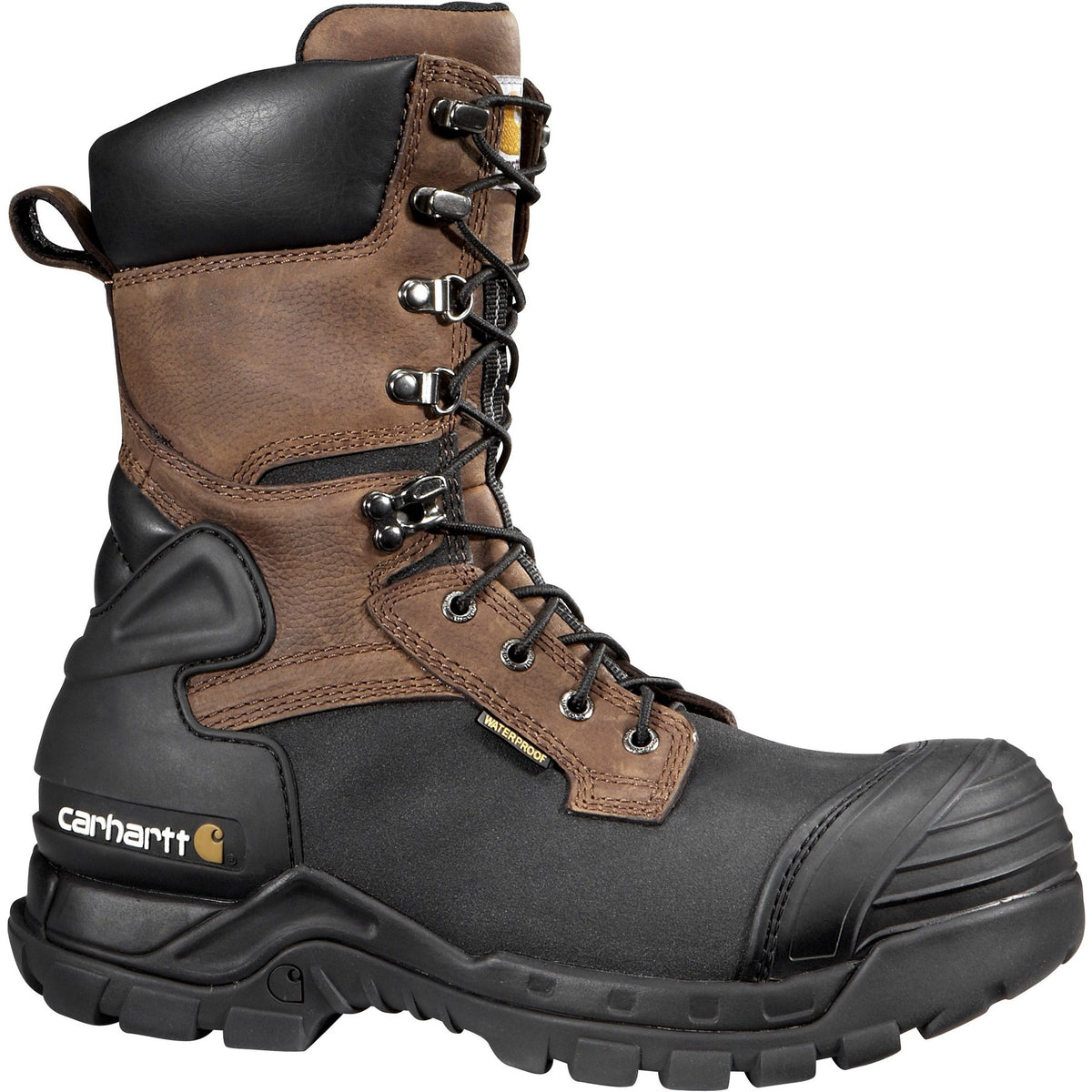
Carhartt Men's 10" Composite Toe Ins Waterproof Pac Work Boot - Brown - CMC1259
Save 7%

Sale price$109.99
Regular price$118.00
Carhartt Men's Rugged Flex 6" Steel Toe Work Boot - Brown - CMF6284

Save 6%
Sale price$189.99
Regular price$201.50
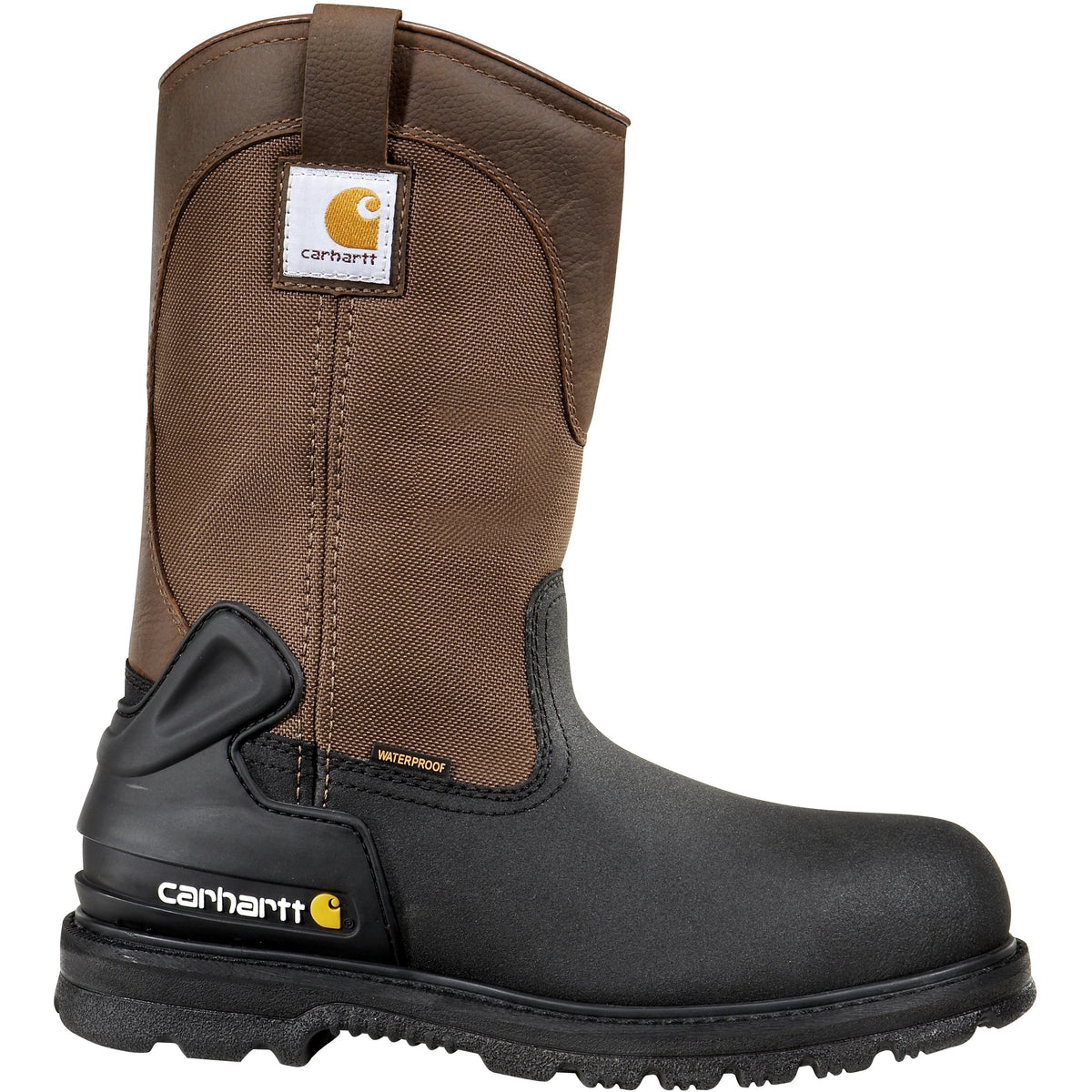
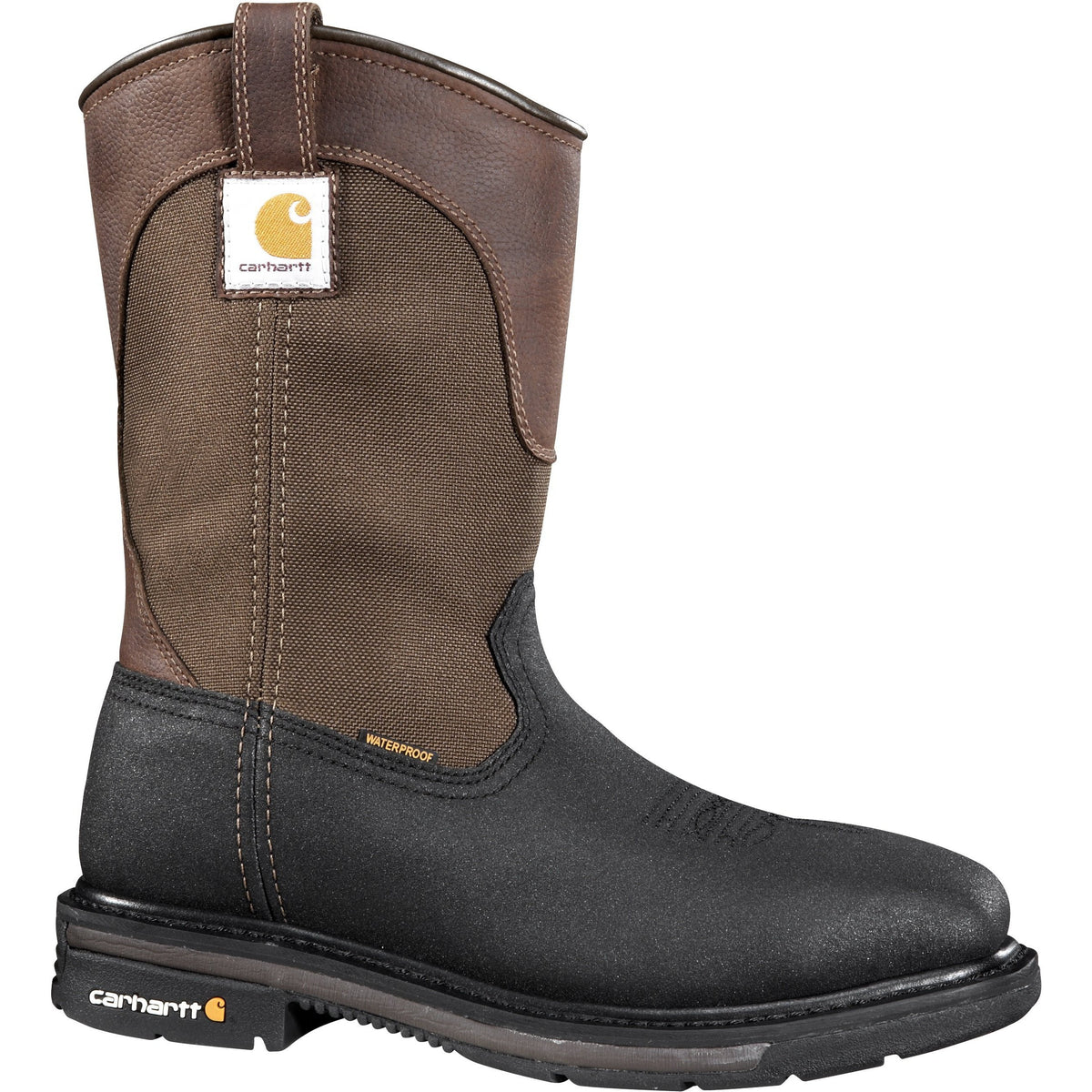
Carhartt Men's Rugged Flex 11" Square Steel Toe Waterproof Wellington Work Boot CMP1258
Sale price$199.99
Regular price$200.00
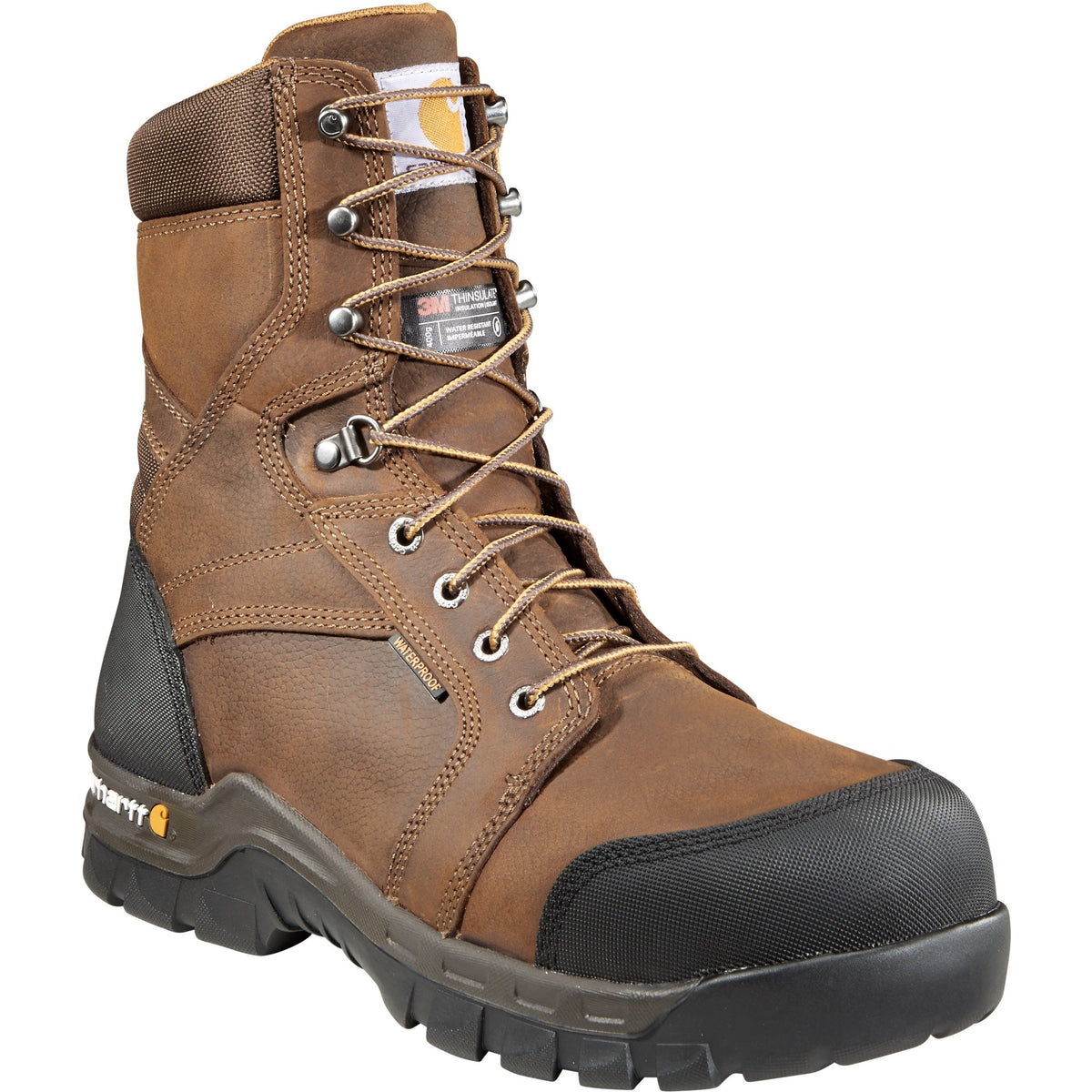
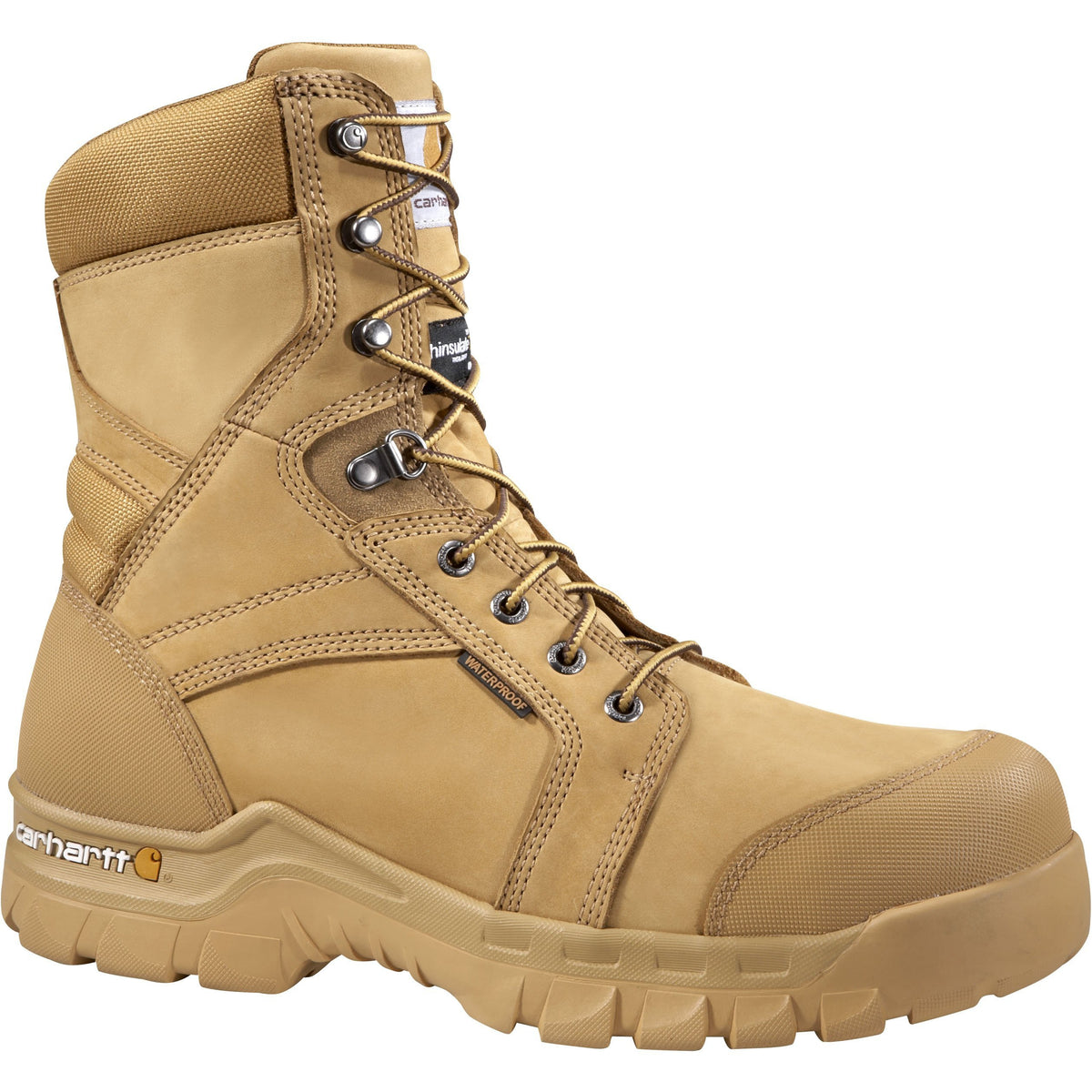
Carhartt Men's Rugged Flex 8" Waterproof Insulated Work Boot - Wheat - CMF8058

Sale price$149.99
Carhartt Men's 6" Steel Toe Work Boot - Brown - CMW6274
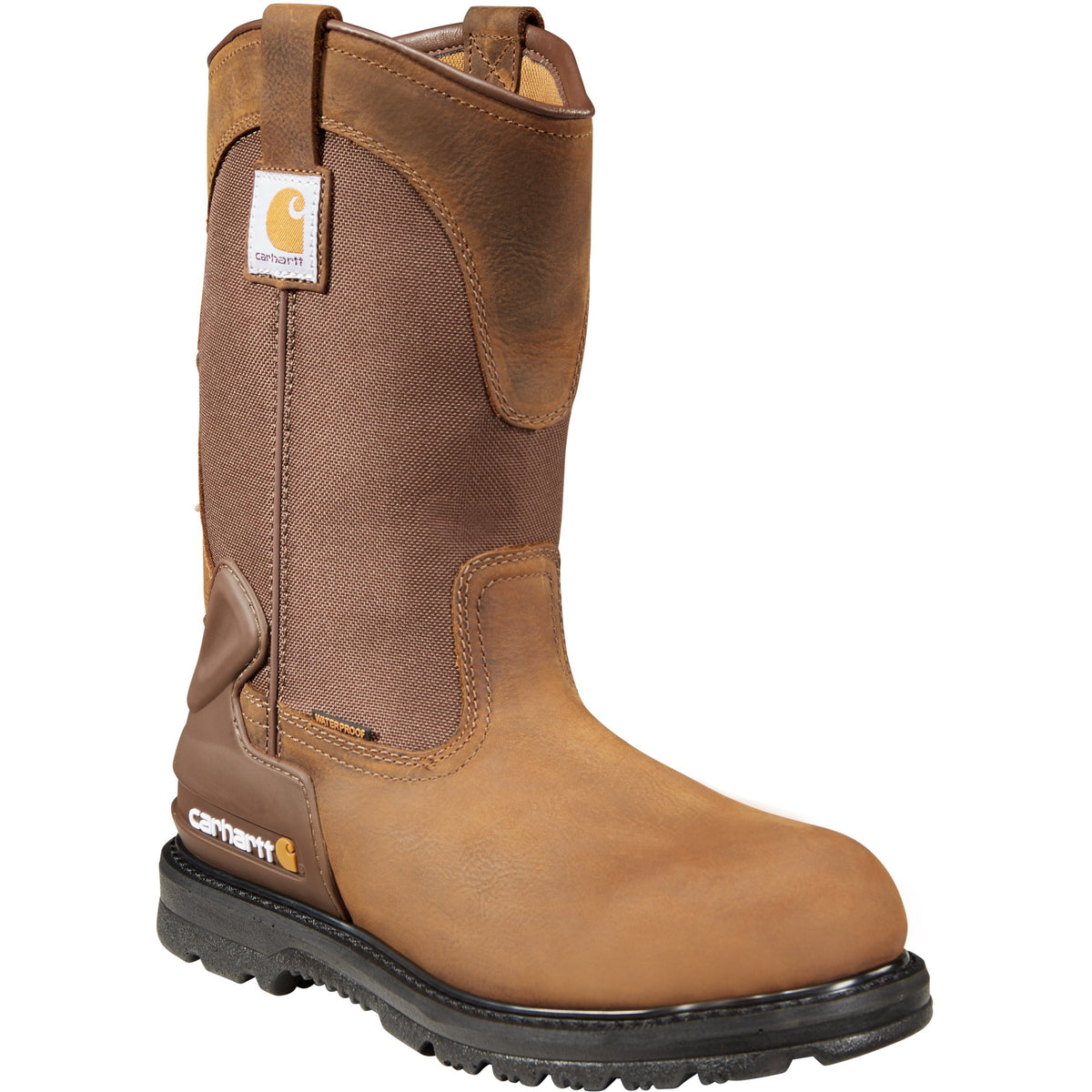

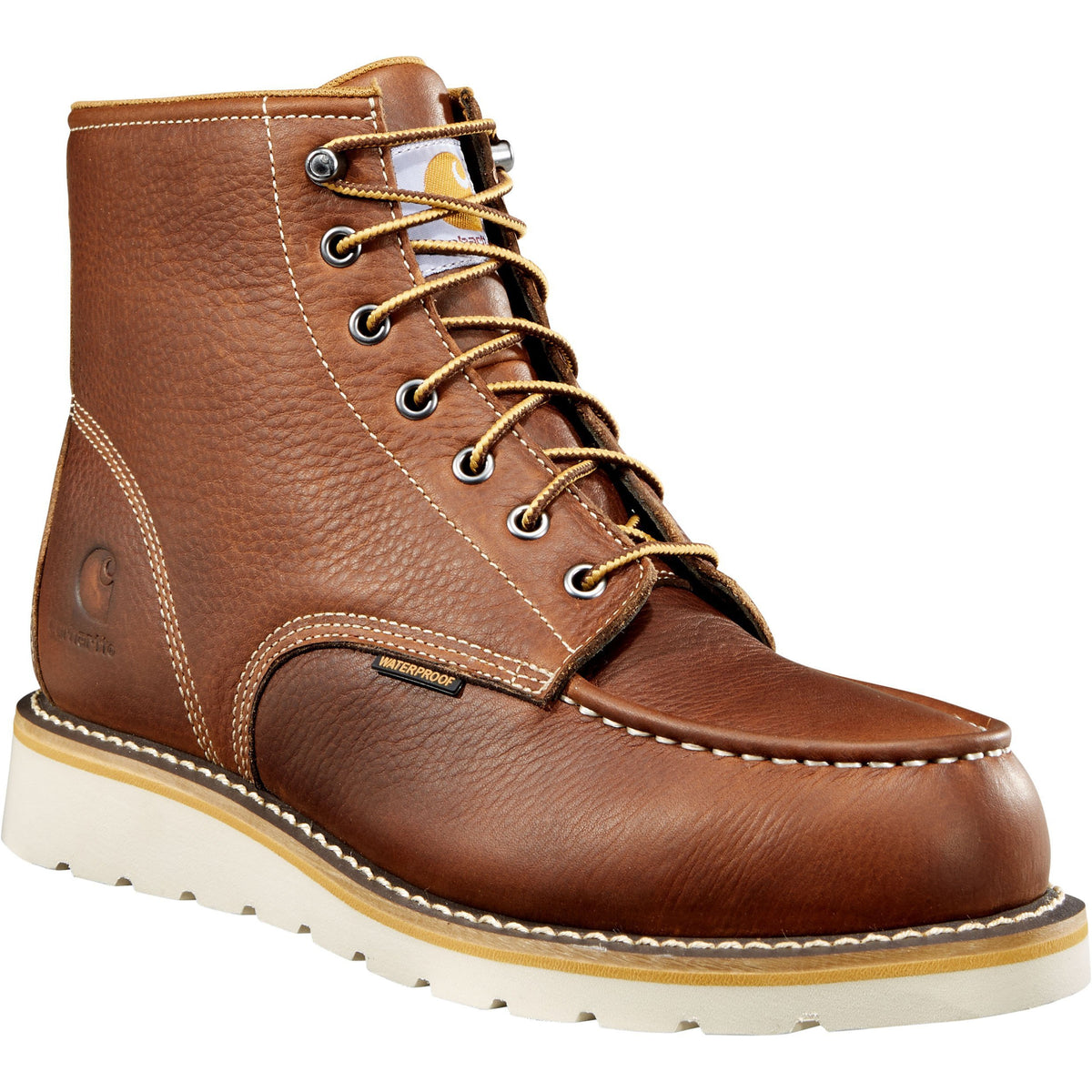
Sale price$184.99
Regular price$188.00
Carhartt Men's 6" Steel Toe Waterproof Wedge Work Boot - Tan - CMW6275


Sale price$144.99
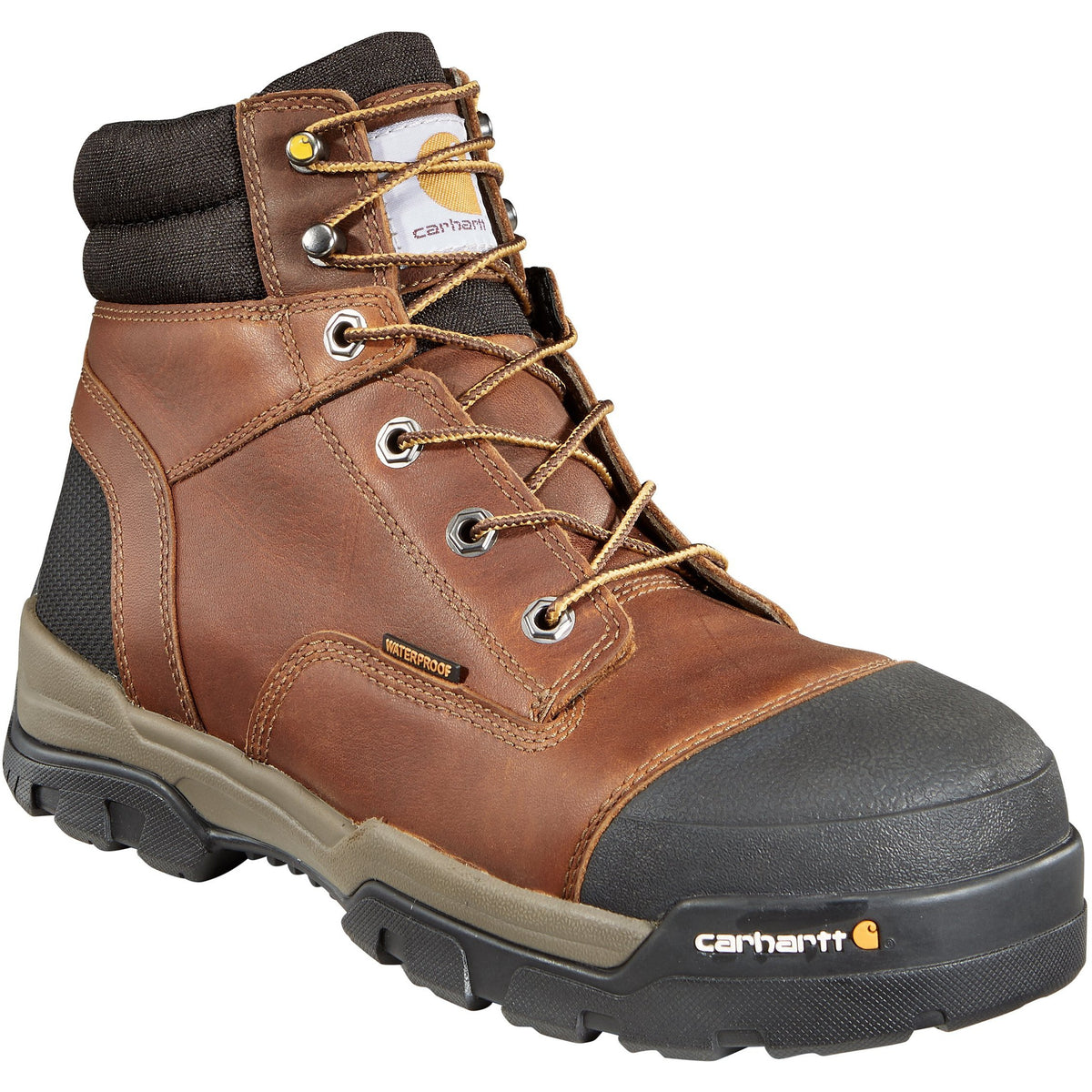
Carhartt Men's 6" Soft Toe Work Boot - Brown - CMW6174

Sale price$214.99
Regular price$221.50
Carhartt Men's 8" Composite Toe Waterproof Logger Work Boots - Brown - CML8360

Sale price$199.99
Regular price$206.00
Carhartt Men's 8" Steel Toe Waterproof Work Boot - Brown - CMW8200

Sale price$154.99
Carhartt Men's Force 5" Nano Composite Toe Work Boot - Black - FA5441-M

Sale price$179.99
Regular price$183.00
Carhartt Men's 6" Soft Toe Waterproof Wedge Work Boot Brown - CMW6095

Sale price$129.99
Carhartt Rugged Flex Waterproof 6 Inch Work Boot - FF6013-M
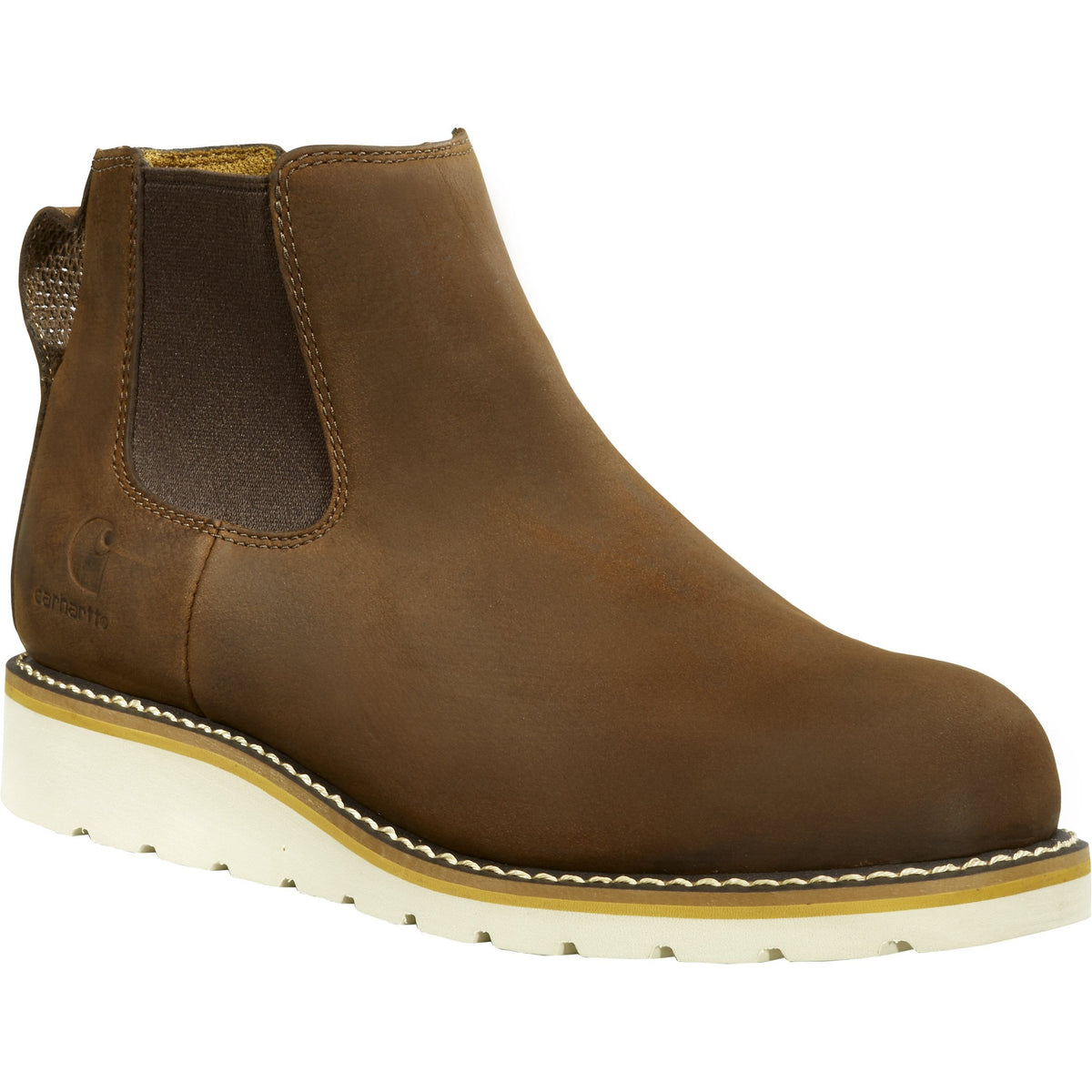

Sale price$224.99
Regular price$228.00
Carhartt Men's 8" Composite Toe Metguard Waterproof Work Boot Brown CMF8720
Save 5%

Sale price$149.99
Regular price$158.00
Carhartt Men's Rugged Flex 6" Composite Toe Work Boot - Brown - CMF6366


Sale price$219.99
Regular price$226.00
Carhartt Men's 8" Composite Toe Waterproof Ins Climbing Work Boot - Brown - CML8369

Sale price$184.99
Regular price$188.00
Carhartt Men's 6" Steel Toe Waterproof Wedge Work Boot Brown - CMW6295


Sale price$189.99
Regular price$195.50
Carhartt Men's 6" Steel Toe Waterproof Work Boot - Brown - CMW6220

Save 5%
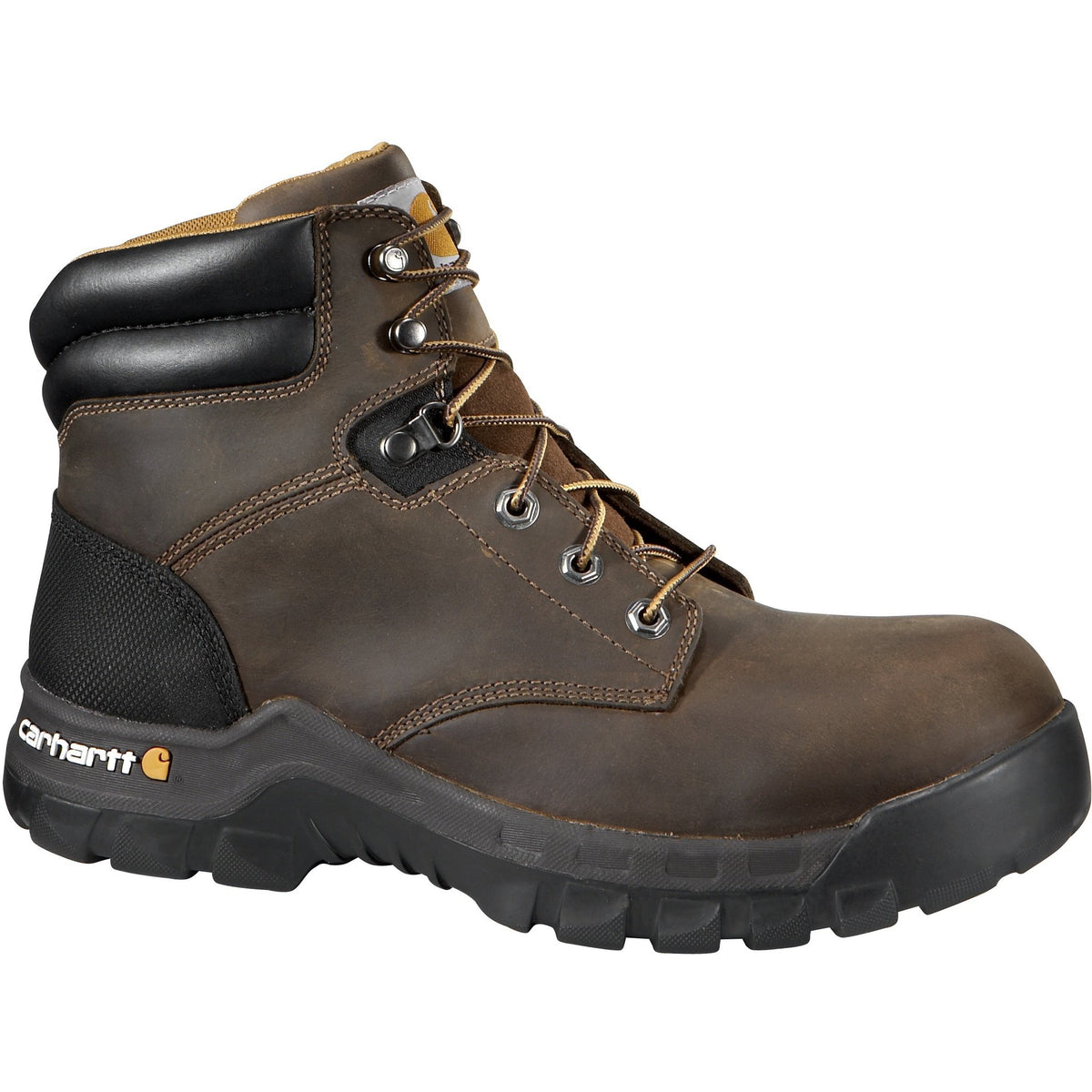
Sale price$149.99
Regular price$158.00
Carhartt Women's Rugged Flex 6" Composite Toe Work Boot - Brown - CWF5355
Save 8%

Sale price$189.99
Regular price$206.00
Carhartt Men's Moc 8" Soft Toe Wedge Work Boot -Brown- FW8093-M

Sale price$174.99
Regular price$175.00
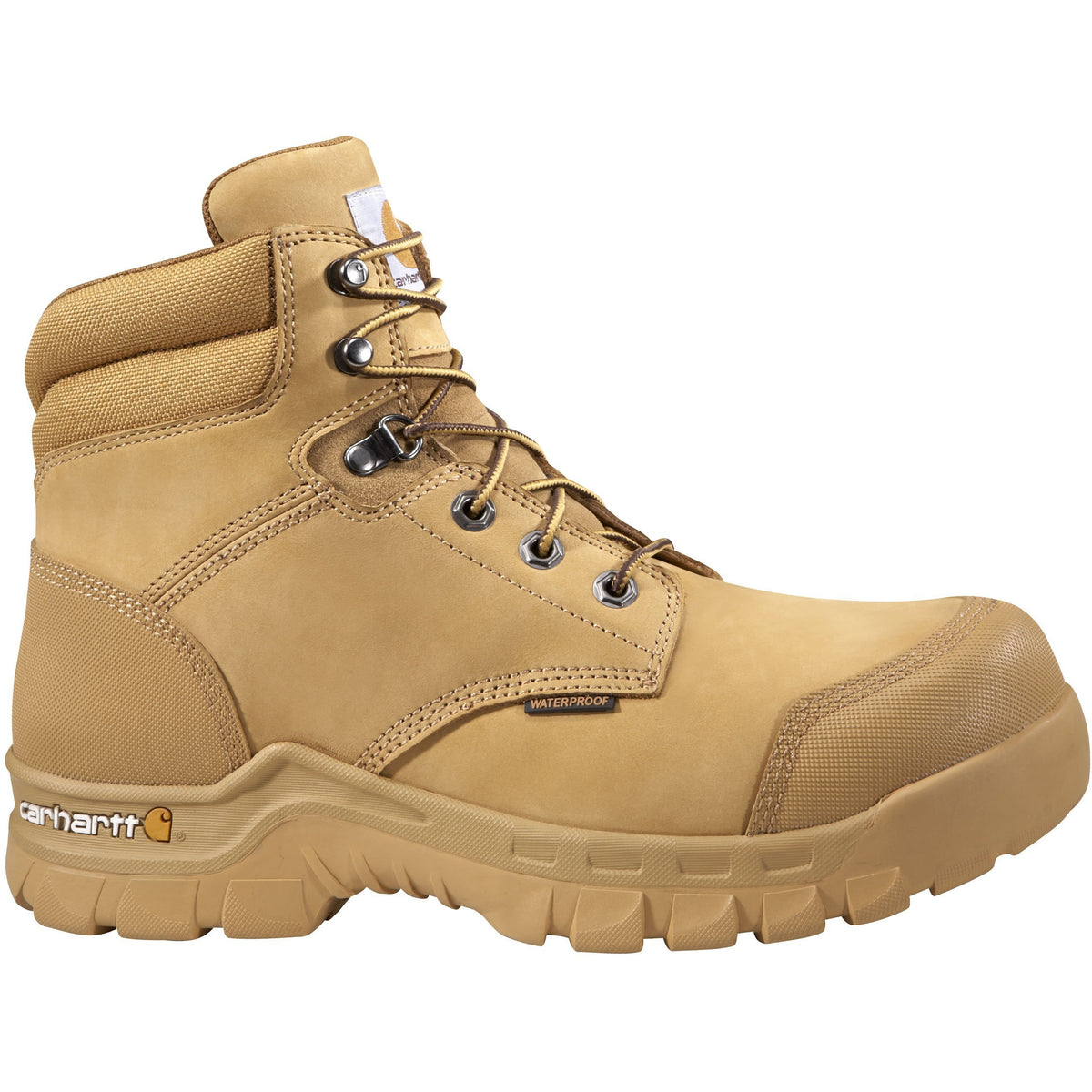
Carhartt Men's 6" Rugged Flex Soft Toe Waterproof Work Boot - Wheat - CMF6056


Carhartt Work Boots - Take Down Any Workday

Frequently Asked Questions
Storm Defender is Carhartt's waterproof membrane and Rain Defender is a water-repellent finish, and the difference matters if you stand in water. A Storm Defender boot uses a sealed breathable membrane and sealed seams, so water cannot work through the leather or the stitching. Rain Defender treats the surface so light rain and splashes bead off, but it is not a sealed system and will wet out in prolonged exposure. If your ground stays wet, choose from the Carhartt waterproof range specifically.
Carbon Nano is Carhartt's carbon-fiber safety toe, and it is the lightest rated cap the brand offers. It meets the same ASTM F2413 impact and compression standard as steel while cutting weight at the front of the boot, and because it is non-metallic it does not conduct heat or cold the way a steel cap does. Carhartt uses it across the Force and Wellington families. Keep in mind a non-metallic toe alone does not make a boot metal-detector safe, since the shank and eyelets are separate components.
Rugged Flex is Carhartt's flexible construction system, built to cut the stiffness and break-in time of a traditional work boot. It uses a more pliable upper and a sole designed to bend with the foot rather than resist it, which is why Rugged Flex models are usually comfortable within the first few shifts instead of the first few weeks. It runs through much of the line, from 6-inch composite toe boots up to the insulated 8-inch models.
Carhartt builds internal metatarsal guards into several composite toe models, including the 6-inch and 8-inch Metguard waterproof boots. A met guard covers the instep, the stretch of foot a safety toe leaves exposed, and it is specified on sites where heavy objects can drop or roll onto the top of the foot. The guard is rated as part of the finished boot, so if your site requires met protection you need a met-rated model from the start rather than an add-on. Our full metatarsal boots range covers the equivalent models from every brand we carry.
Many Carhartt work boots carry an EH rating, the ASTM F2413 designation for a sole and heel that resist incidental contact with a live circuit. The Force HD line is EH rated, and EH shows up widely across the 6-inch, 8-inch, and Wellington families. EH and static-dissipative ratings are mutually exclusive under the standard, so a boot is one or the other and never both. Check the rating stamped on the boot against what your site actually specifies, and browse our electrical hazard boots if EH is the requirement driving your purchase.
Yes, Carhartt builds a full wedge lineup from 4-inch shoes through 10-inch pull-ons. A wedge outsole runs flat from heel to toe with no separated heel block, so the whole footprint meets the ground at once and spreads your weight instead of driving it through a heel. That makes it the standard choice for concrete, finished floors, and roof work, and the wrong choice for ladder rungs and broken ground. The Carhartt wedge sole range covers lace-up, Chelsea, and Wellington versions.
Carhartt footwear is designed in Michigan and manufactured overseas. Carhartt licenses its footwear line rather than building boots in its own factories, which is how the brand holds its price point on a boot carrying a waterproof membrane and a rated safety toe. If domestic manufacturing is what you are after, our American made boots collection covers the brands that build in the United States.
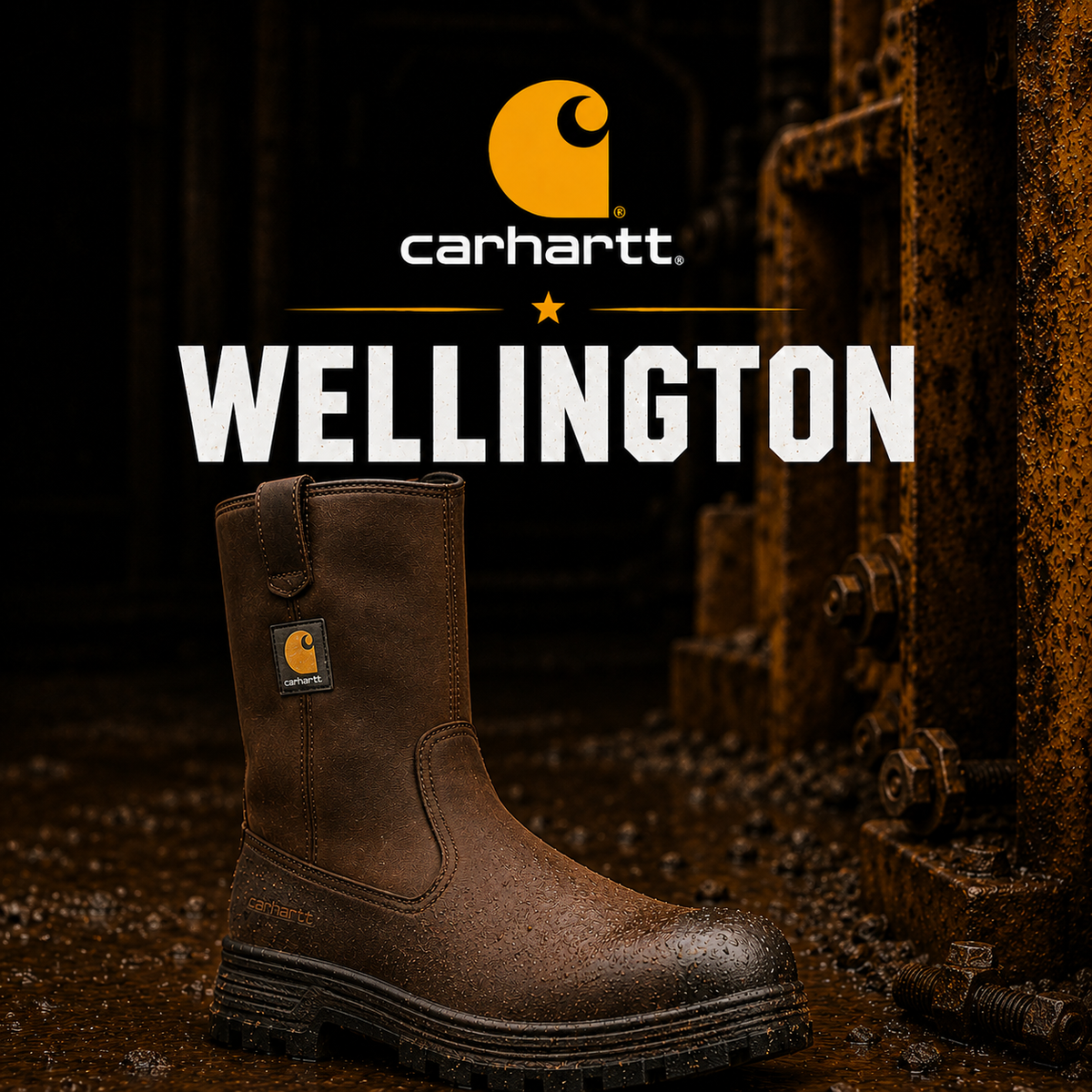
Carhartt Wellingtons run mostly 9 to 11 inches, with a few low-cut pull-on Chelsea styles alongside them. A Wellington is a tall pull-on with no laces, no zippers, and nothing on the upper for a chain, a rung, or a PTO shaft to catch, which is why it is the default on oilfield, farm, and equipment work where boots come on and off several times a day. Toes run soft, steel, alloy, composite, and Carbon Nano across the range.
Carhartt work boots are generally regarded as solid value rather than heirloom boots, and that is the brief the brand sets for itself. You get a genuine waterproof membrane, an ASTM-rated toe, and a cushioned, flexible build at a mid-range price. They are cemented and direct-attach rather than welted, so they are built to be replaced rather than resoled when the outsole wears through. For rebuildable boots, look at the welted and stitchdown lines from Thorogood, Danner, and Carolina instead.
Yes, Carhartt builds a women's range on a women's last rather than sizing down the men's boot, including the Rugged Flex 6-inch composite toe and the Pellston waterproof winter boot. A boot built on a women's last is narrower through the heel and higher at the arch, which is what stops the heel slip most women get in a men's boot sized down. Available sizes and widths are listed on each product page.