


Sale price$179.99
Regular price$184.00
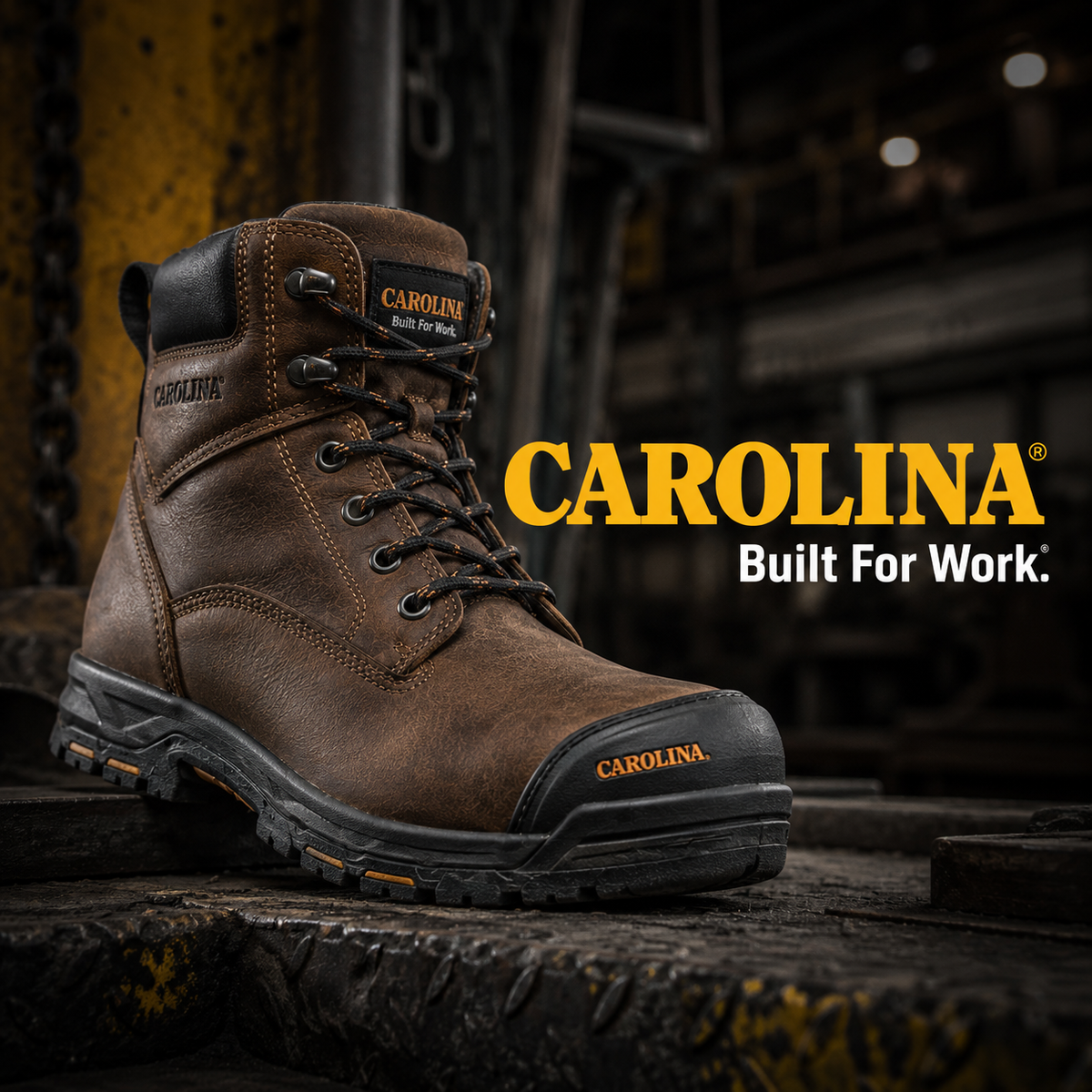
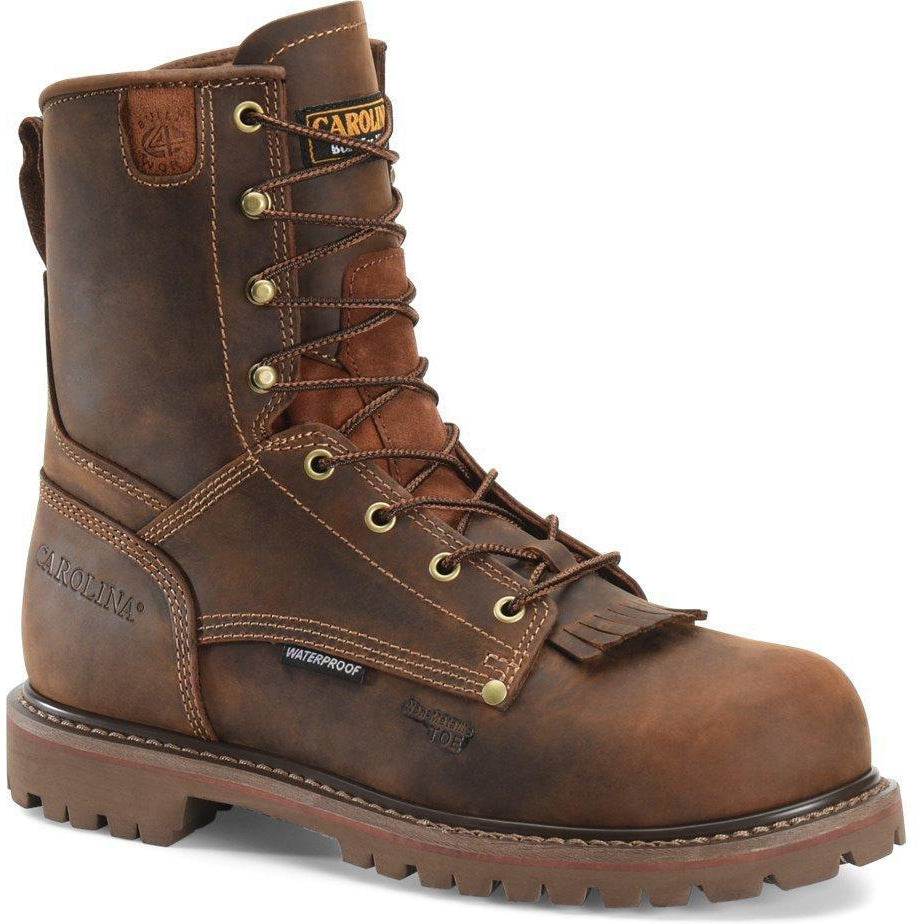
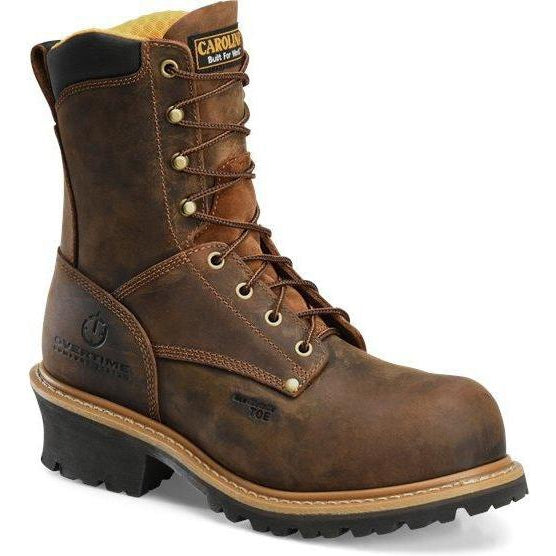
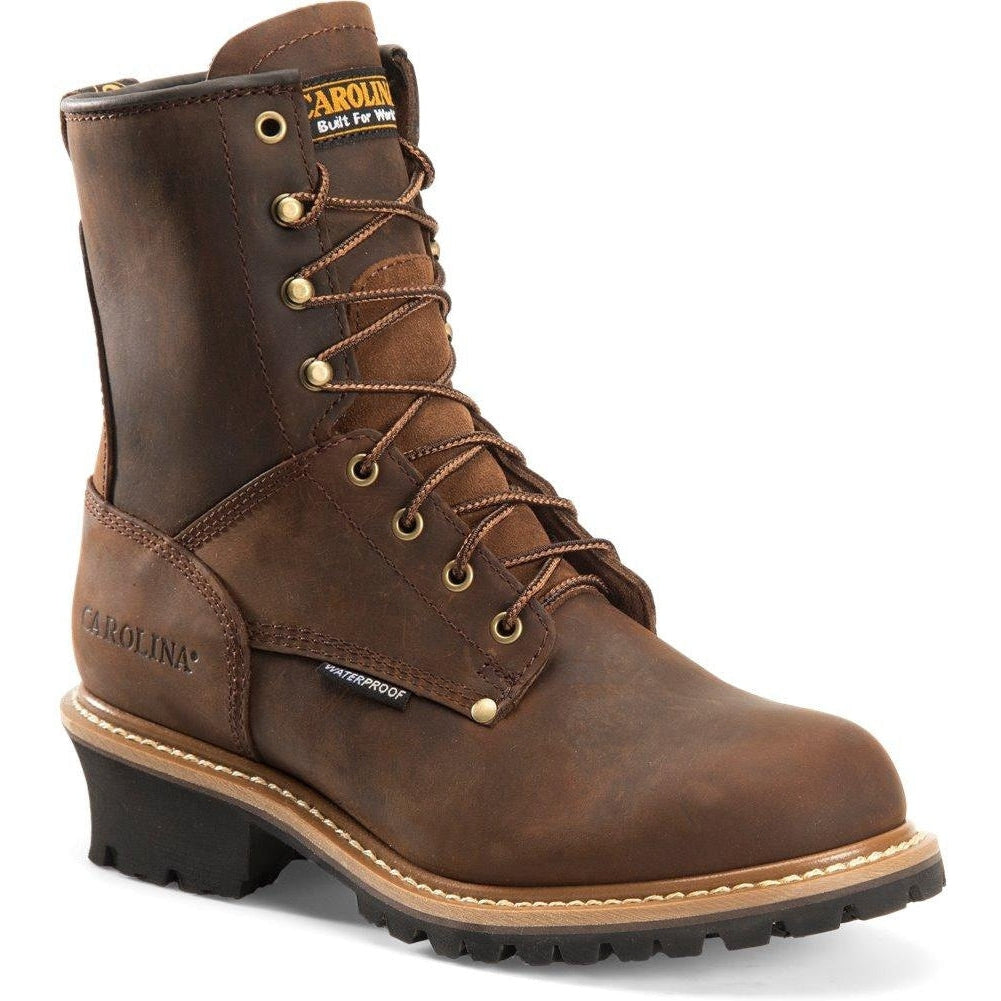
Carolina Men's Poplar 8" Composite Toe Unlined Logger Work Boot - Brown - CA9853
Save 31%
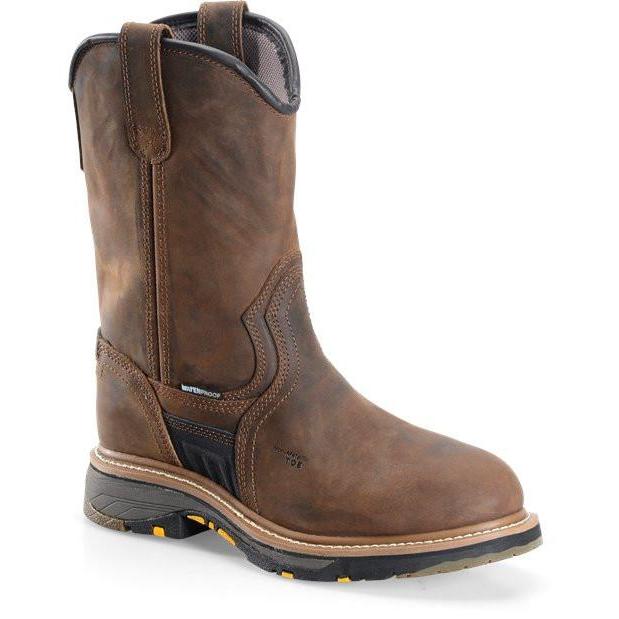
Sale price$148.67
Regular price$214.00
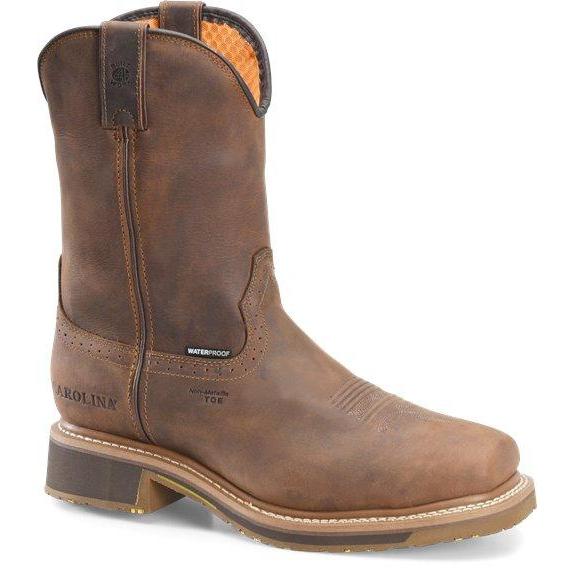
Carolina Men's Well X 10" Composite Toe Waterproof Wellington Work Boot - CA4559

Sale price$299.99
Regular price$314.00
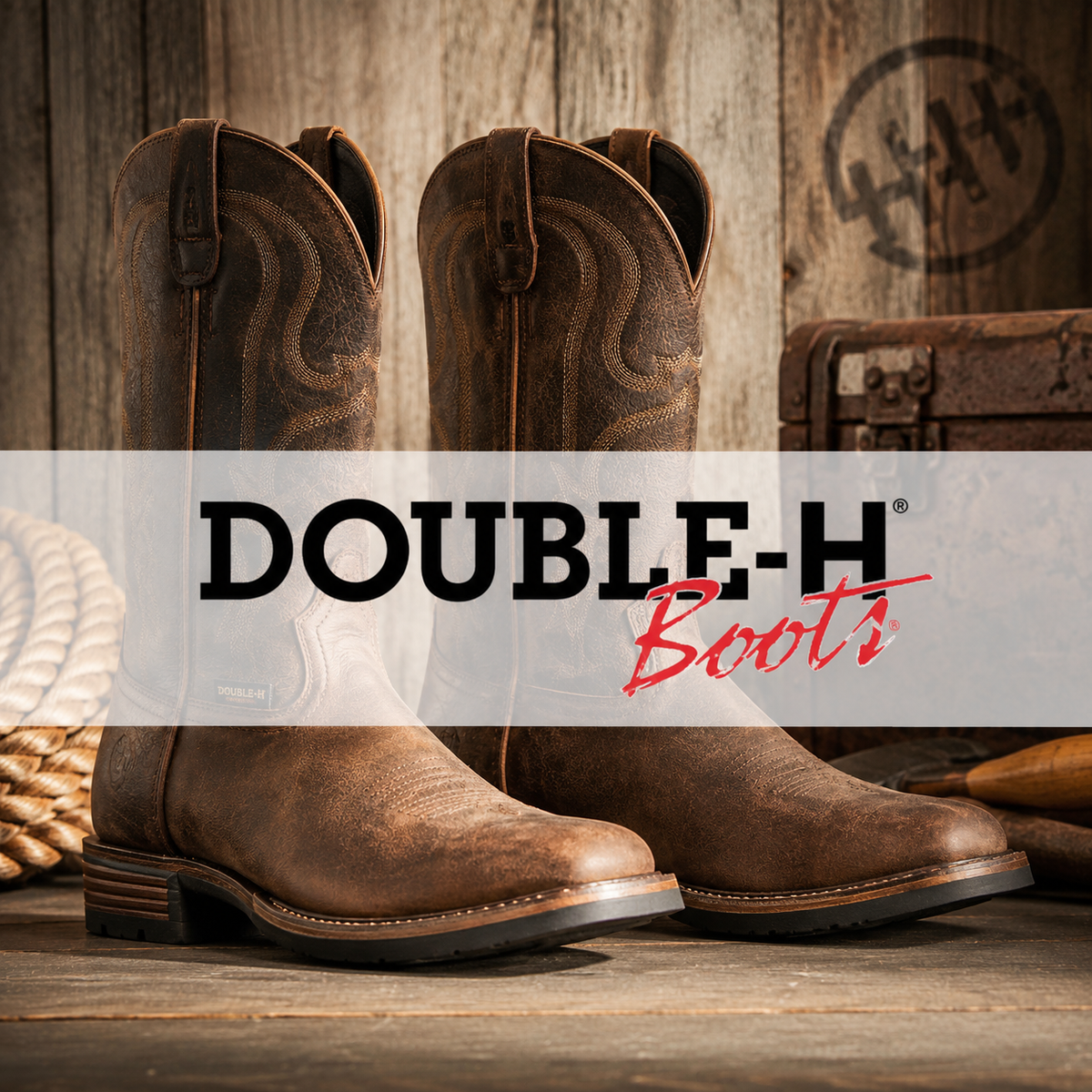
Double H Men's Anton 11" Steel Toe USA Made Western Work Boot - DH4637


Sale price$214.99
Regular price$224.00
Double H Men's Cleave 12" Composite Toe Waterproof Western Work Boot - Brown - DH5422


Sale price$174.95
Regular price$175.00
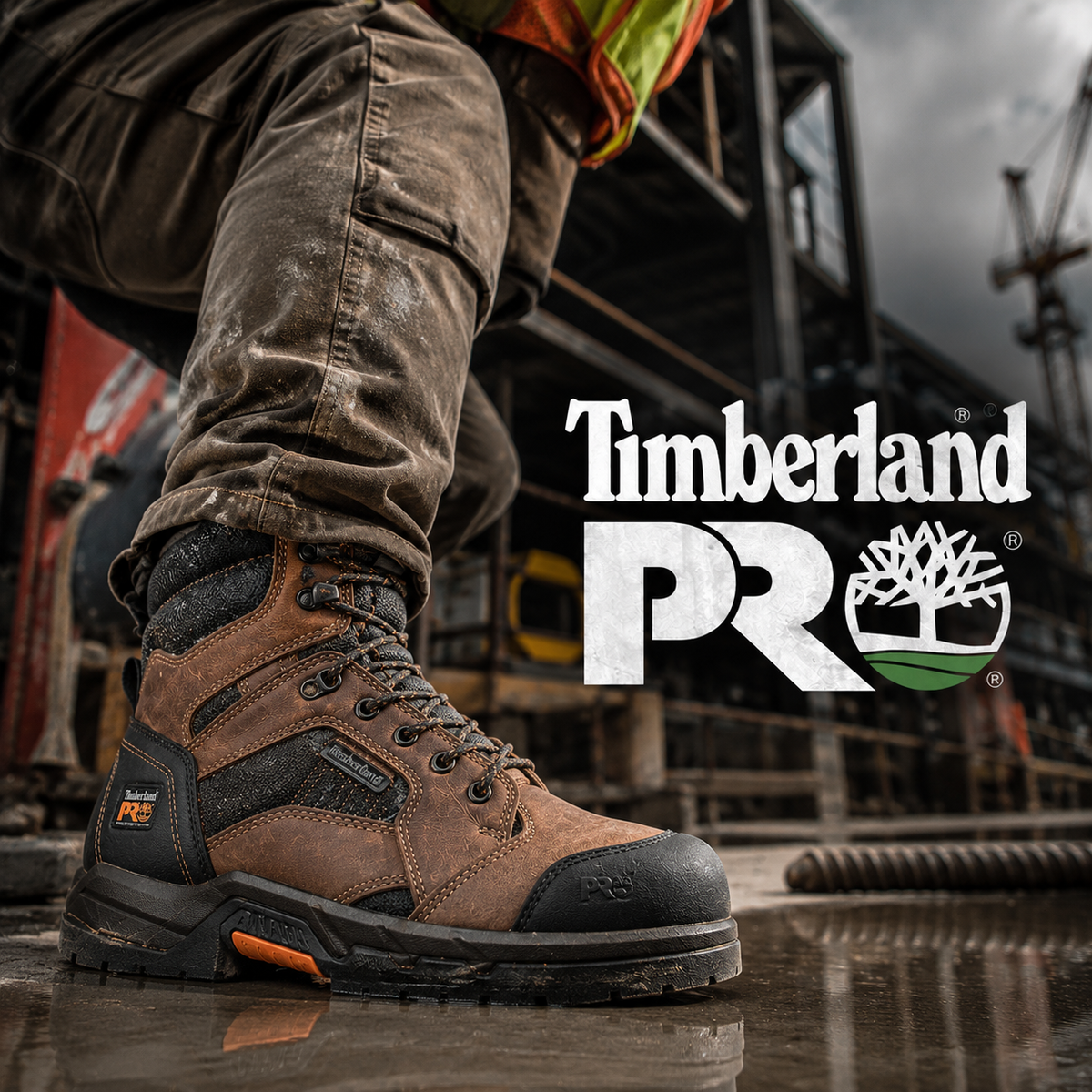
Timberland Pro Men's Morphix 6" Composite Toe Waterproof Work Boot - Grey - TB1A5YFU065
Save 7%
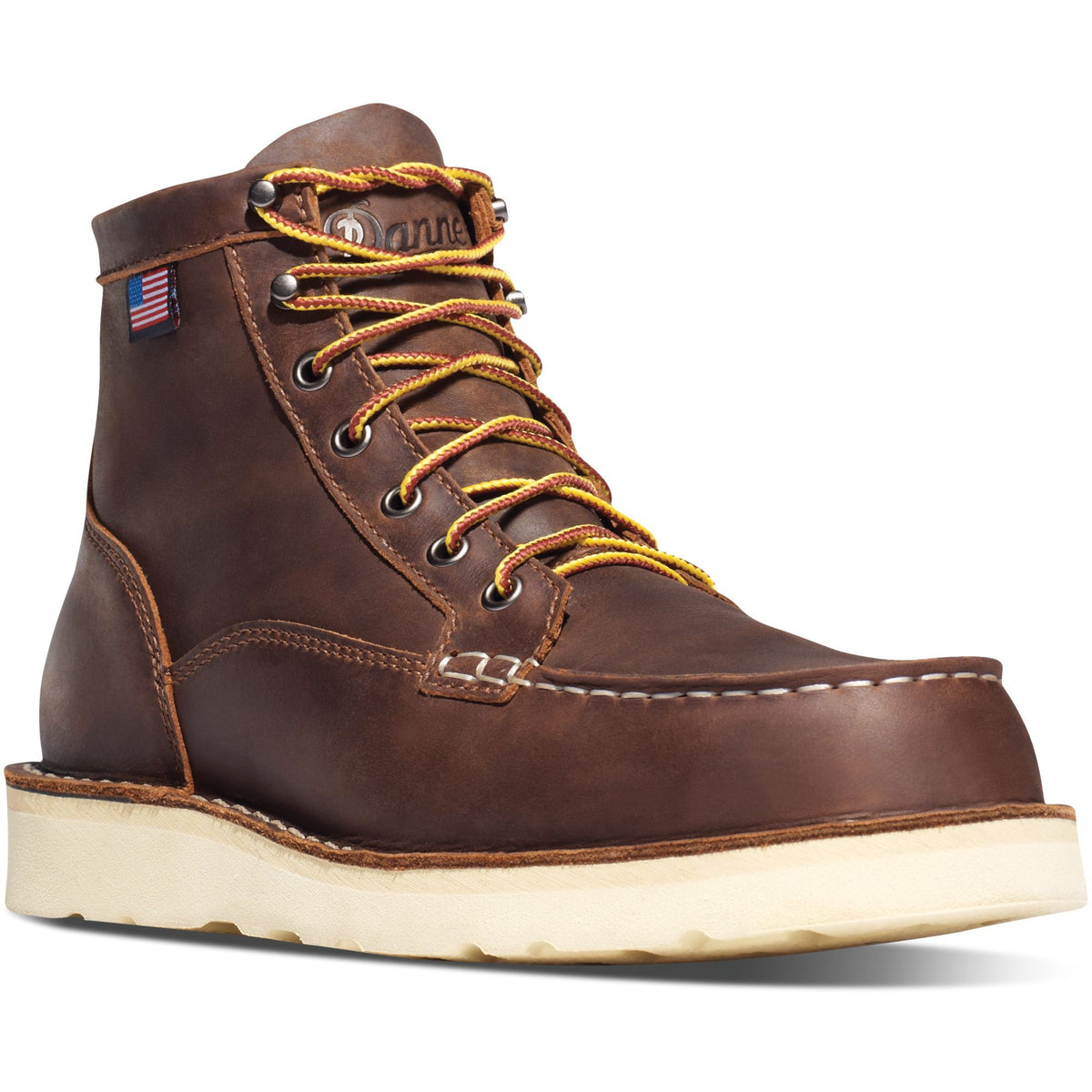
Sale price$269.95
Regular price$290.00
Danner Men's Bull Run USA Made 6" Moc Steel Toe Work Boot Brown 15564


Save 5%

Sale price$294.95
Regular price$310.00
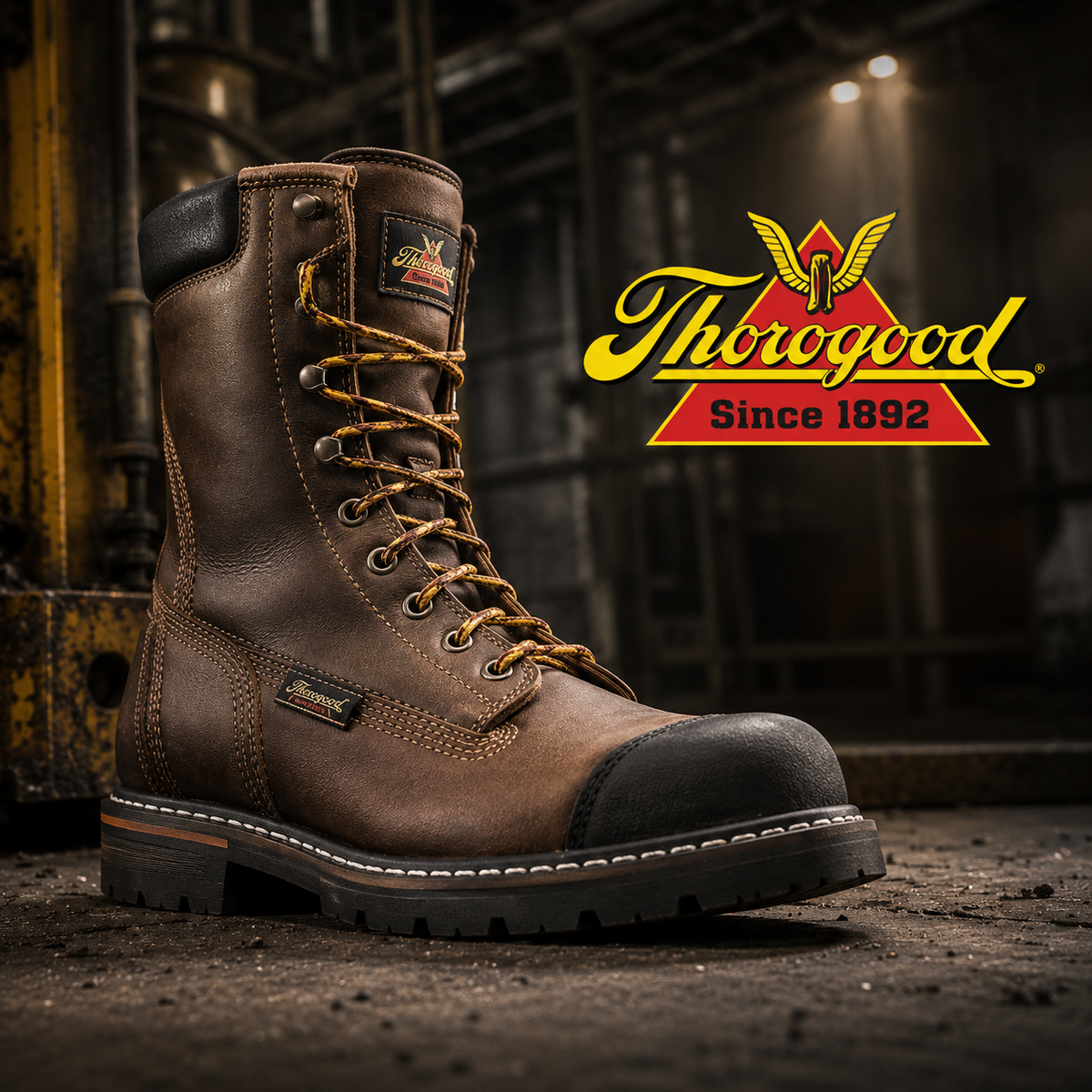
Thorogood Men's USA Made 1957 8" Moc Safety Toe Waterproof Wedge Work Boot 804-3800

Sale price$284.99
Regular price$296.00
Double H Men's Dylan 12" Steel Toe USA Made Western Work Boot - DH1592


Sale price$314.99
Regular price$328.00
Double H Men's Dwight 11" Steel Toe USA Made Western Work Boot- DH3567
Save 5%

Sale price$284.95
Regular price$300.00
Thorogood Men's USA Made Amer. Heritage 8" Steel Toe Work Boot 804-4378

Save 27%

Sale price$164.95
Regular price$225.00
Timberland PRO Men's Endurance 6" Metguard Steel Toe Work Boot - TB1A172T214

Sale price$214.95
Chippewa Men's Hador 8" Steel Toe Logger Work Boot - 55026
Save 5%

Sale price$274.95
Regular price$290.00
Thorogood Men's USA Made Amer. Heritage 6" Steel Toe Wedge Work Boot 804-4200
Save 5%

Sale price$284.95
Regular price$300.00
Thorogood Men's USA Made Amer. Heritage 8" Steel Toe Work Wedge Boot 804-4478
Save 5%

Sale price$224.99
Regular price$236.00
Double H Men's Jeyden 11" Composite Toe Waterproof Western Work Boot- Brown- DH5124
Save 14%

Sale price$326.59
Regular price$378.00
Matterhorn Men's Copper 10" Steel Toe Waterproof Metguard USA Made Work Boot - MT910

Sale price$194.99
Regular price$202.00
Double H Men's Phantom Rider Raid 8" Composite Toe Lacer Work Boot -Brown- DH5393


Sale price$319.95
Regular price$331.00
Chippewa Men's Super DNA 9" Steel Toe Waterproof 400G Ins Logger Work Boot - Black - 59410
Save 5%

Sale price$184.99
Regular price$194.00
Double H Men's Antonio 13" Composite Toe Western Work Boot Brown- DH6134
Save 5%
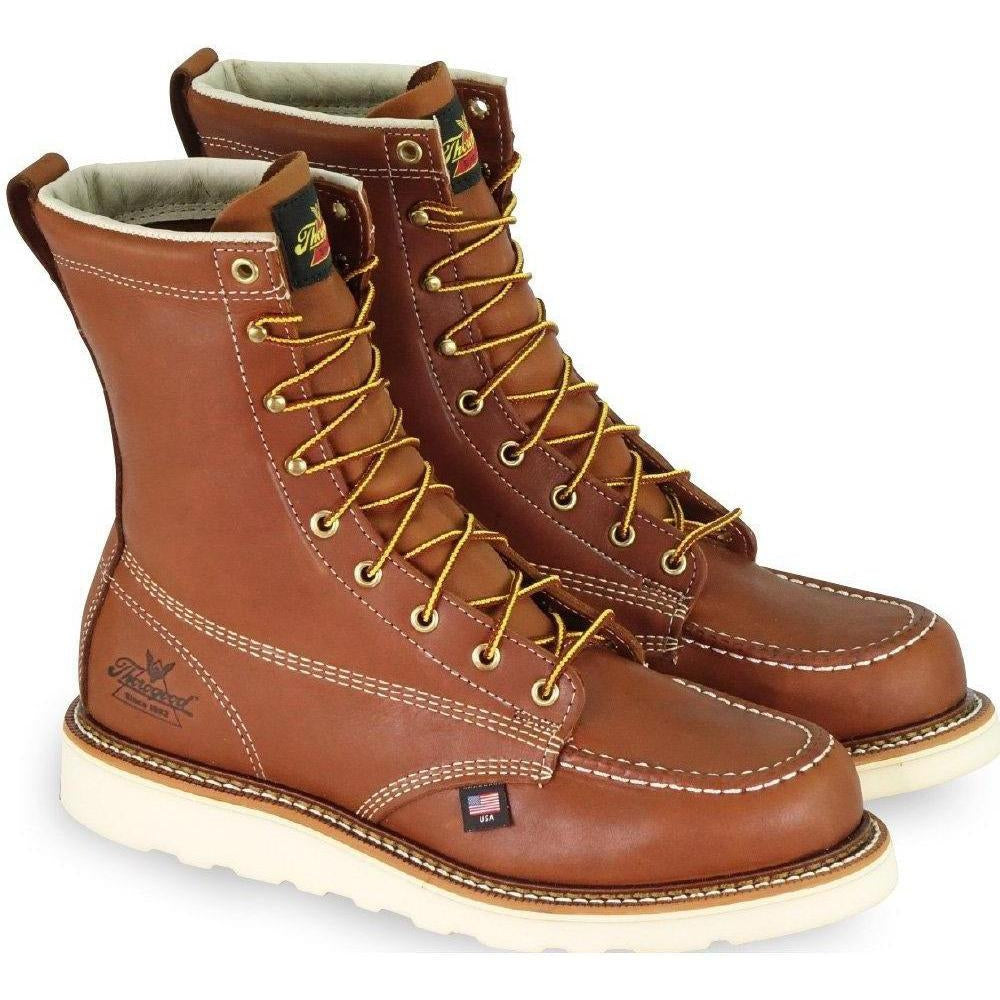
Sale price$284.95
Regular price$300.00
Thorogood Men's USA Made Amer. Heritage 8" Steel Toe Wedge Work Boot 804-4208
Frequently Asked Questions
All four meet the same ASTM F2413 impact and compression thresholds, so protection is not the deciding factor. Steel is the least expensive and slimmest, but the heaviest and it conducts temperature. Alloy is a metal cap lighter than steel. Composite is non-metallic, lighter still, and does not transfer heat or cold. Carbon fiber is the lightest and roomiest. Compare our steel toe, composite toe and alloy toe ranges.
They are the two core safety-toe tests. I/75 is impact resistance at 75 foot-pounds, roughly a 50-pound object dropped from 18 inches onto the toe. C/75 is compression resistance at 2,500 pounds of slowly applied load, closer to a wheel rolling over your foot. Nearly every rated safety toe meets these levels, so the numbers confirm compliance rather than ranking one boot above another.
Composite and carbon-fiber toes are non-metallic and will not trigger the toe scan, while steel and alloy will. But a non-metallic toe alone does not make a whole boot metal-free, since the shank and hardware can still be metal. For courthouse, airport, and secure-facility posts, choose a model that states fully non-metallic construction rather than inferring it from the toe. See our 100 percent non metallic collection.
They do opposite jobs. Electrical hazard (EH) footwear insulates you from live circuits with non-conductive soles. Static dissipative (SD) footwear does the reverse, bleeding static charge off your body into the floor at a controlled rate to protect electronics. They are mutually exclusive under ASTM F2413, so a boot carries one or the other. Check the product page for which rating a given model holds against your site requirement.
They are separate protections layered on top of a safety toe. A metatarsal guard covers the top of the foot, where a toe cap stops, against crushing impacts, and is specified for foundry and heavy material handling. A puncture-resistant plate protects the sole from nails and sharp debris. Both are rated as part of the finished boot, so choose a model that carries them from the start. See our metatarsal guard and puncture resistant ranges.
With more room at the front than a regular boot. A safety cap does not flex or stretch, so if your toes reach it when you walk downhill or brake hard, they will keep reaching it for the life of the boot. Seat your foot back into the heel with clear space ahead of the toes. Feet swell over a shift, so err large rather than snug if you are on your feet all day.
Recently viewed
Our Top Brands