Save 9%
Sale price$205.00
Regular price$225.00
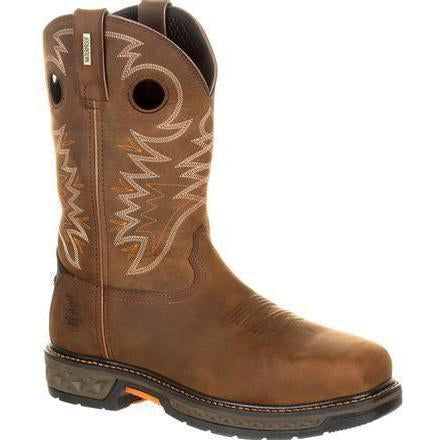
Georgia Men's Carbo-Tec 11" Lightweight Alloy Toe Waterproof Pull-On Western Work Boot GB00224
Save 7%
Sale price$272.00
Regular price$292.00
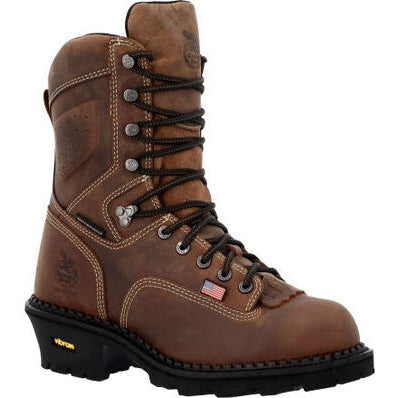
Georgia Men's Usa Logger 9" Waterproof Composite Toe Work Boot - Crazy Horse - GB00540
Save 7%

Sale price$135.00
Regular price$145.00
Georgia Men's Homeland Steel Toe Waterproof Wellington Work Boot - Brown - G111
Save 5%

Sale price$180.00
Regular price$190.00
Georgia Men's 8" Steel Toe Waterproof Logger Work Boot - Brown - G7313
Save 5%

Sale price$175.00
Regular price$185.00
Georgia Men's 8" Wedge Steel Toe Work Boot - Brown - G8342
Save 8%

Sale price$220.00
Regular price$240.00
Georgia Men's Ltx Logger 9" Composite Toe Waterproof Work Boot -Black- GB00619
Save 8%

Sale price$220.00
Regular price$240.00
Georgia Men's Carbo-Tec LTX 11" Composite Toe Waterproof Pull-On Work Boot- GB00394


Save 8%

Sale price$220.00
Regular price$240.00
Georgia Men's Ltx Logger 9" Composite Toe Waterproof Work Boot -Brown- GB00617
Save 5%
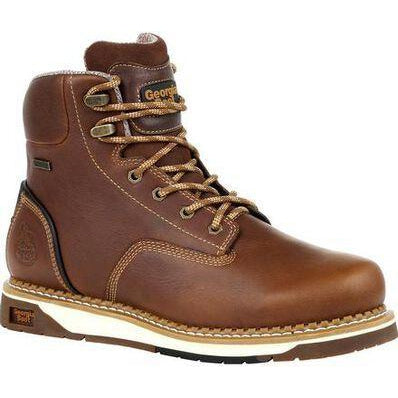
Sale price$195.00
Regular price$205.00
Georgia Men's Amped Lightweight Wedge Steel Toe Waterproof Work Boot - Brown - GB00351
Save 8%

Sale price$240.00
Regular price$260.00
Georgia Men's Comfort Core 8" Composite Toe Logger Work Boot Brown GB00123
Save 5%
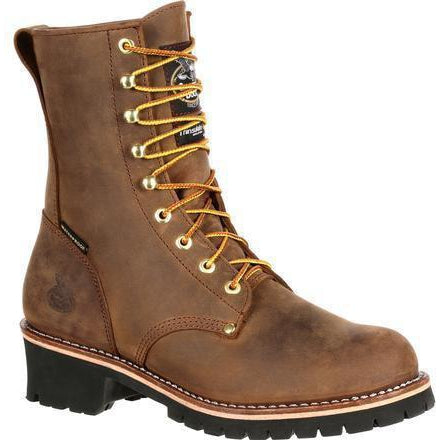
Sale price$180.00
Regular price$190.00
Georgia Men's 8" Waterproof Steel Toe Insulated Logger Work Boot - Brown - GB00065
Save 9%

Sale price$215.00
Regular price$235.00
Georgia Men's LTX Logger 9" Composite Toe Waterproof Work Boot- Brown- GB00669
Save 5%

Sale price$185.00
Regular price$195.00
Georgia Men's Wedge Steel Toe Wellington Wedge Work Boot - Brown - G5353
Save 9%

Sale price$205.00
Regular price$225.00
Georgia Men's Amped Lightweight 9" Logger Composite Toe Waterproof Work Boot - Brown - GB00238
Save 17%

Sale price$153.64
Regular price$185.00
Georgia Men's Muddog Steel Toe Wellington Waterproof Work Boot - Brown - G5655
Save 7%
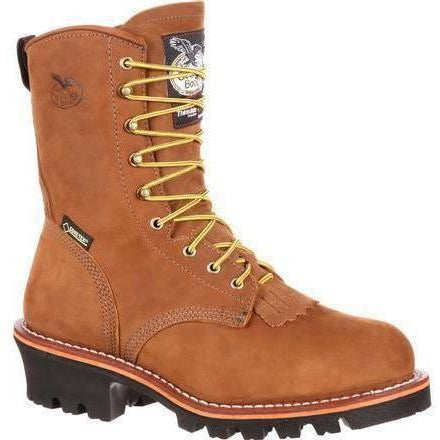
Sale price$265.00
Regular price$285.00
Georgia Men's 8" Steel Toe Waterproof Insulated Logger Work Boot - Brown - G9382
Save 8%
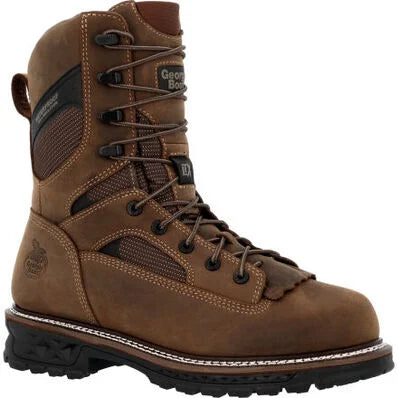
Sale price$220.00
Regular price$240.00
Georgia Men's Logger LTX 9" Composite Toe Waterproof 400G Work Boot -Brown- GB00681
Save 9%

Sale price$205.00
Regular price$225.00
Georgia Men's LTX 6" Composite Toe Waterproof Carbo-Tec Work Boot- Brown - GB00391
Save 5%

Sale price$185.00
Regular price$195.00
Georgia Men's Muddog Steel Toe Wellington Waterproof Work Boot - Brown - G5594
Save 9%
Sale price$205.00
Regular price$225.00
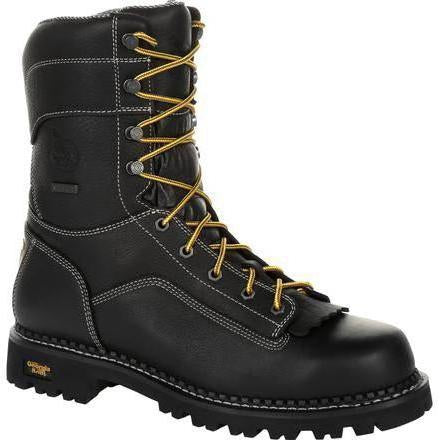
Georgia Men's Amp Lightweight Logger 9" Composite Toe Waterproof Work Boot - Black - GB00272
Save 9%

Sale price$210.00
Regular price$230.00
Georgia Men's Amped Lightweight Logger 9" Composite Toe Waterproof 600G Ins Work Boot- GB00491
Save 9%

Sale price$205.00
Regular price$225.00
Georgia Men's Durablend Edge BOA Lace Alloy Toe WP 6" Work Boot - Brown - GB00733
Save 6%

Sale price$155.00
Regular price$165.00
Georgia Men's Giant 8" Steel Toe Work Boot - Brown - G8374
Save 7%

Sale price$140.00
Regular price$150.00
Georgia Men's Brookville 8" Steel Toe Waterproof Work Boot - Brown - G9334
Save 9%

Sale price$210.00
Regular price$230.00
Georgia Men's Rumbler 8" Composite Toe Waterproof Work Boot - Brown - GB00285
Save 6%

Sale price$160.00
Regular price$170.00
Georgia Men's 6" Wedge Steel Toe Work Boot - Brown - G6342
Save 6%

Sale price$145.00
Regular price$155.00
Georgia Men's Giant 6" Steel Toe Work Boot - Brown - G6374
Save 7%

Sale price$140.00
Regular price$150.00
Georgia Men's Homeland 8" Steel Toe Waterproof Work Boot - Brown - G107
Save 5%

Sale price$190.00
Regular price$200.00
Georgia Men's Eagle One 6" Steel Toe Waterproof Work Boot - Brown - GB00313
Save 6%

Sale price$170.00
Regular price$180.00
Georgia Men's Amped Lightweight Wedge Chelsea Steel Toe Waterproof Work Boot - Brown - GB00353
Save 6%

Sale price$165.00
Regular price$175.00
Georgia Men's Eagle One 4" Steel Toe Waterproof Chelsea Work Boot -Brown- GB00337
Save 9%

Sale price$210.00
Regular price$230.00
Georgia Men's Rumbler 10" Composite Toe Waterproof Pull-On Work Boot-Brown- GB00286
Save 6%

Sale price$155.00
Regular price$165.00
Georgia Men's Carbo Tec Flx 6" Alloy Toe Waterproof Chelsea Work Boot - Brown - GB00701
Save 5%

Sale price$185.00
Regular price$195.00
Georgia Men's Logger 8" Steel Toe Waterproof Lace-To-Toe Work Boot- Chocolate- G103
Frequently Asked Questions
All four meet the same ASTM F2413 impact and compression standard, so choose on weight, temperature, and screening rather than strength. Steel is cheapest and thinnest. Alloy is lighter metal but still conducts temperature and triggers detectors. Composite and carbon are non-metallic and do not conduct. Carbon, which Georgia calls Carbo-Tec, is the lightest.
I/75 means the toe withstood a 75 foot-pound impact and C/75 means 2,500 pounds of compression. Those are the core safety toe codes. Additional codes such as EH for electrical hazard, PR for puncture resistance, and Mt for metatarsal protection appear only when the boot was built and tested for those hazards. Match the codes to your site's specification.
No. The cap is non-metallic but the shank, any puncture plate, and the eyelets are separate components and can be steel. If you clear detectors at work, verify the whole boot rather than the toe type. See our 100 percent non metallic collection.
Yes, and it is common. The EH rating describes the sole and heel, and the cap sits inside insulating material with no conduction path in normal use. EH and static-dissipative are mutually exclusive under the standard, so a boot carries one or the other and never both. See our electrical hazard boots range.
Almost always fit rather than break-in, because the cap is rigid and never softens the way leather does. If your toes touch the cap walking downhill, the boot is too short. If the pain is across the ball of your foot, you need more width. Sizing up in length rarely fixes it and usually adds heel slip.
Selected models in the range carry met guards, which cover the instep where a safety toe stops. Met protection is rated as part of the finished boot rather than added later, so if your site specifies Mt you need a met-rated model from the start. See our metatarsal boots range.
No. OSHA requires employers to ensure protective footwear meets a recognized consensus standard, which in the US is ASTM F2413, and all four cap materials meet it. Your employer's own policy may specify a material, which is stricter than the regulation. Check your site policy rather than assuming the standard is the whole answer.
Much of the range is offered in wide alongside standard. Width matters more on a rated boot than an unrated one, because the cap cannot stretch at all. If safety boots have pinched across the ball of your foot before, width rather than length is the fix. See our wide fit work boots range.
Recently viewed
Our Top Brands